The useful bit
Build the page around the customer’s job, then test the entire path from first visit to office reply.
A useful plumbing website checklist starts with the jobs your office handles every day. A leaking fixture, a blocked drain, and a planned water heater replacement should not all lead to the same vague request for a quote.
Open your website on a phone and pretend you have never heard of the company. Can you identify the service area, choose the right service, and understand when someone will respond? Use the checks below to turn that first visit into a clear conversation.
1. Give urgent and planned work different paths
List your main service categories in language a homeowner would use. Keep drain cleaning, plumbing repairs, and replacement projects distinct when their questions and booking processes differ. A customer should not need to understand your internal department names to find help.
Use a call button for work your office can discuss immediately and an estimate request for planned projects. If you do not provide emergency dispatch, make your actual hours clear. An unanswered phone beneath a promise of immediate help creates the wrong expectation before you meet the customer.
2. Answer the questions that affect the first visit
Choose one important service page and add the information your office repeats most often: areas covered, types of properties served, how the visit works, and how pricing is explained. Describe an actual diagnostic fee policy if you have one. Do not publish a fixed total for work that requires assessment.
Add your own relevant photos and accurate business details. A water heater page should show the kind of work you perform, rather than an unrelated stock bathroom. Write a descriptive page title and a straightforward heading, then explain the next step in normal language.
- What problem does this service address?
- Where and when is the service available?
- What does the customer need to provide?
- What happens after a call or form submission?
3. Keep the mobile form short and specific
Collect a contact name, a reliable reply method, service ZIP code, and a short description. Offer a service selector only if it helps route the request. Let people choose “not sure” instead of forcing them to diagnose the plumbing problem.
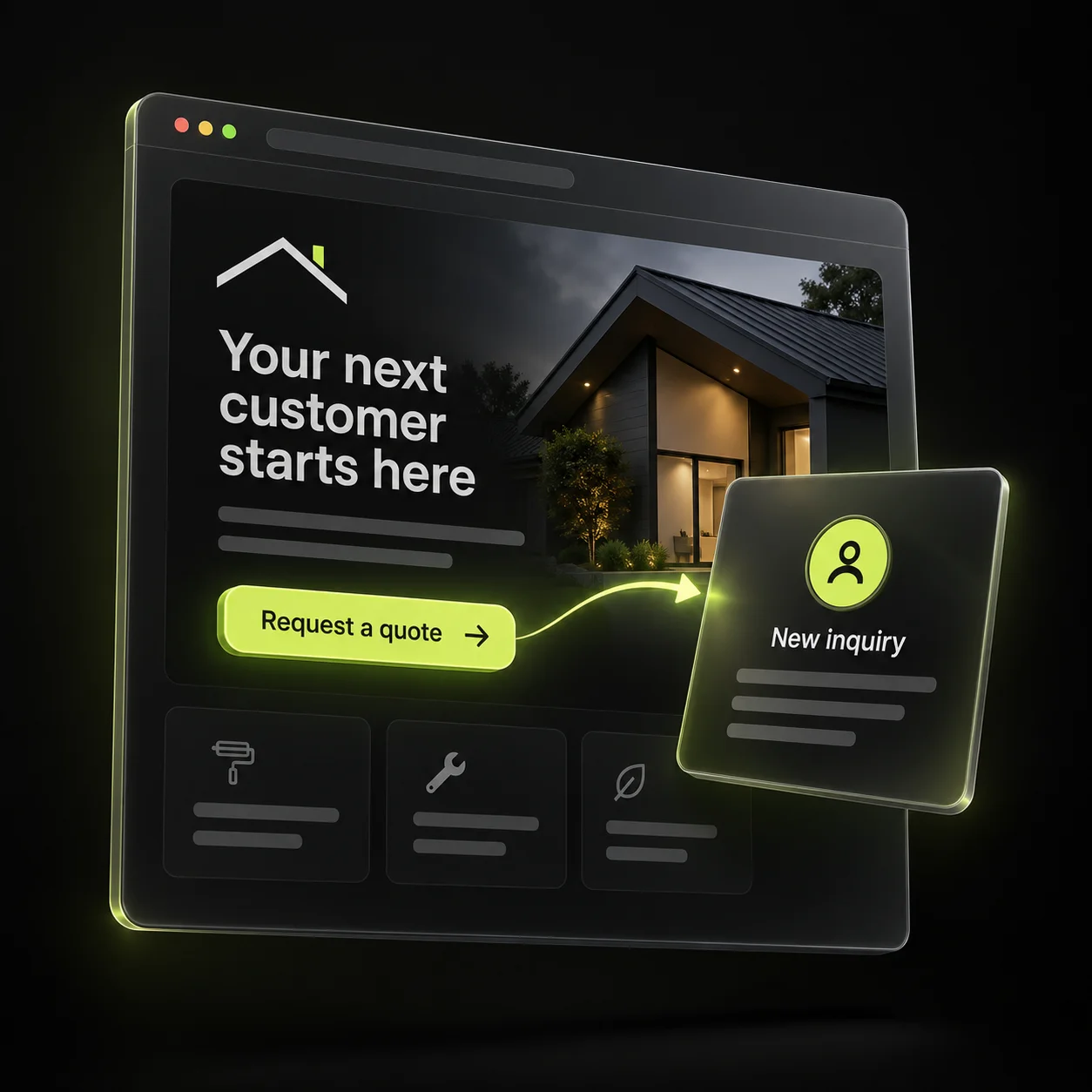
Test the form with a keyboard and a small screen. Labels should remain visible after typing. Error messages should identify the missing field, and a failed submission should not erase everything. Make the call button a working phone link so a visitor does not have to copy the number.
4. Test the office handoff, not just the success message
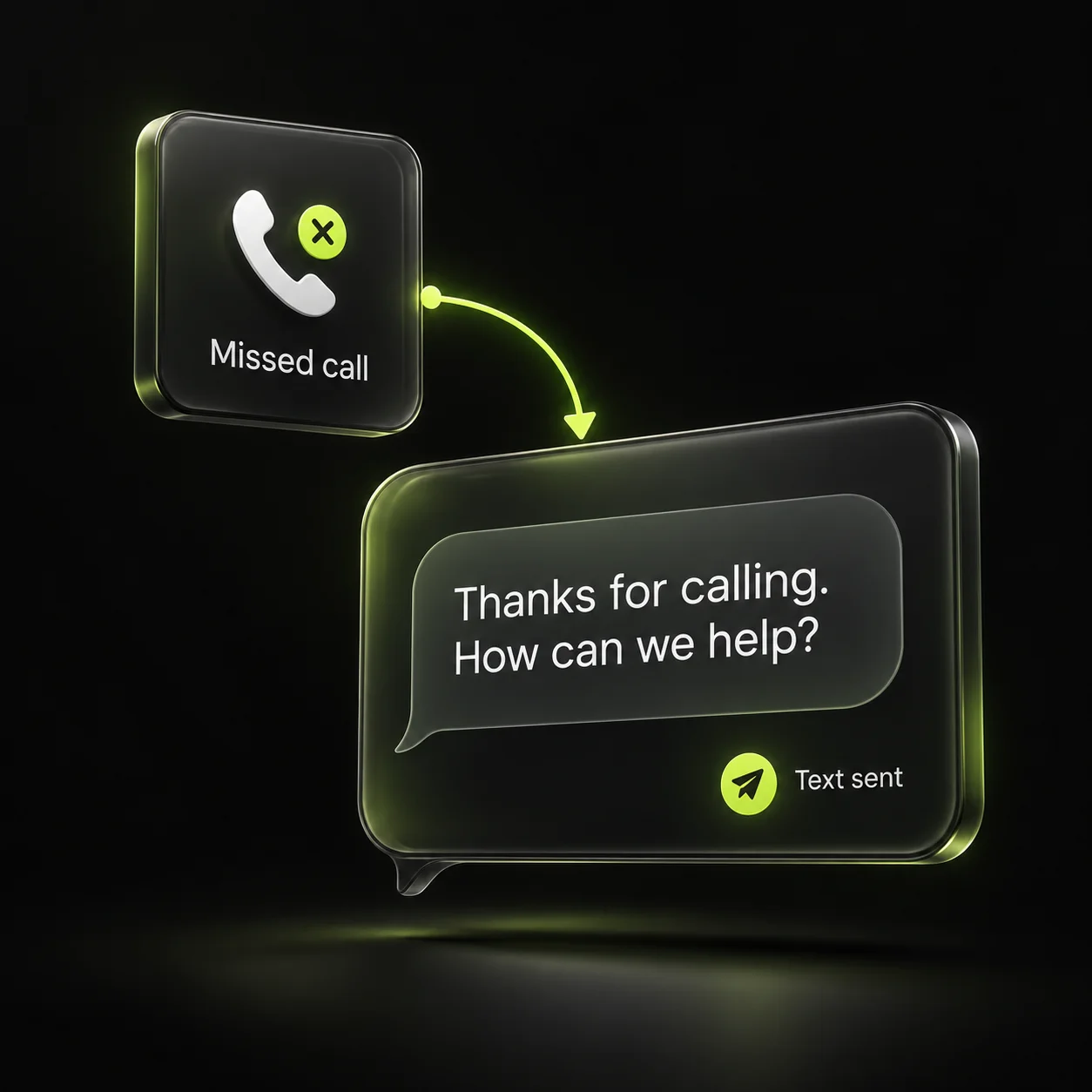
Send a clearly labeled internal test from a real phone. Check which inbox receives it, who owns the reply, and whether someone can find the request later. If your email notification arrives but nobody monitors that inbox, the form is not ready for customers.
Try a submission outside normal hours and another with a missing required field. Have a second person follow the notification without your instructions. This exposes missing context, unclear routing, or a confirmation message that promises more than the office can deliver.
5. Make one improvement and review real inquiries
Google Analytics can measure a specific lead form submission as a key event. Keep that measurement separate from confirmed appointments in your customer records. A form event tells you someone submitted, not that the request fits your service area or became a job.
Review your next ten inquiries for repeated confusion. If people keep asking whether you work in their town, make coverage easier to find. If they expect a confirmed visit after submitting, rewrite the button and success message. Fix the question that creates the most unnecessary back-and-forth first.
Sources & further reading
The workflows and templates are DYZIGN LABS suggestions. These primary sources support the platform and maintenance guidance referenced above.