The useful bit
Start with one profitable service, make it easy to request help, and give every inquiry a clear owner and next step.
A plumbing company can have plenty of website visits and still have gaps in the schedule. The missing piece may be the handoff between a homeowner asking for help and someone actually confirming the appointment. Before adding another marketing channel, follow one inquiry through that entire journey.
This guide gives a small plumbing team a manageable starting point: choose the work you want, improve the page that sells it, and build a response process your office can actually run. Use a spreadsheet if that is what you have. The workflow matters more than the software.
1. Choose the plumbing work you want more of
Separate emergency repairs, planned replacements, and routine maintenance. A homeowner with a blocked drain has a different decision to make than someone comparing water heater replacement options. One broad message rarely answers both well.
Pick a single service for your first campaign based on crew capability, travel time, available appointment slots, and the kind of jobs you want to repeat. If you cannot reliably staff after-hours calls, do not advertise round-the-clock dispatch. Write down your service area and the jobs you will decline before spending money to generate inquiries.
- Choose one service, such as drain clearing or water heater replacement.
- Define the neighborhoods your team can serve efficiently.
- Set an honest response window and a daily appointment capacity.
- Give one person responsibility for each new inquiry.
2. Build a page around one customer problem
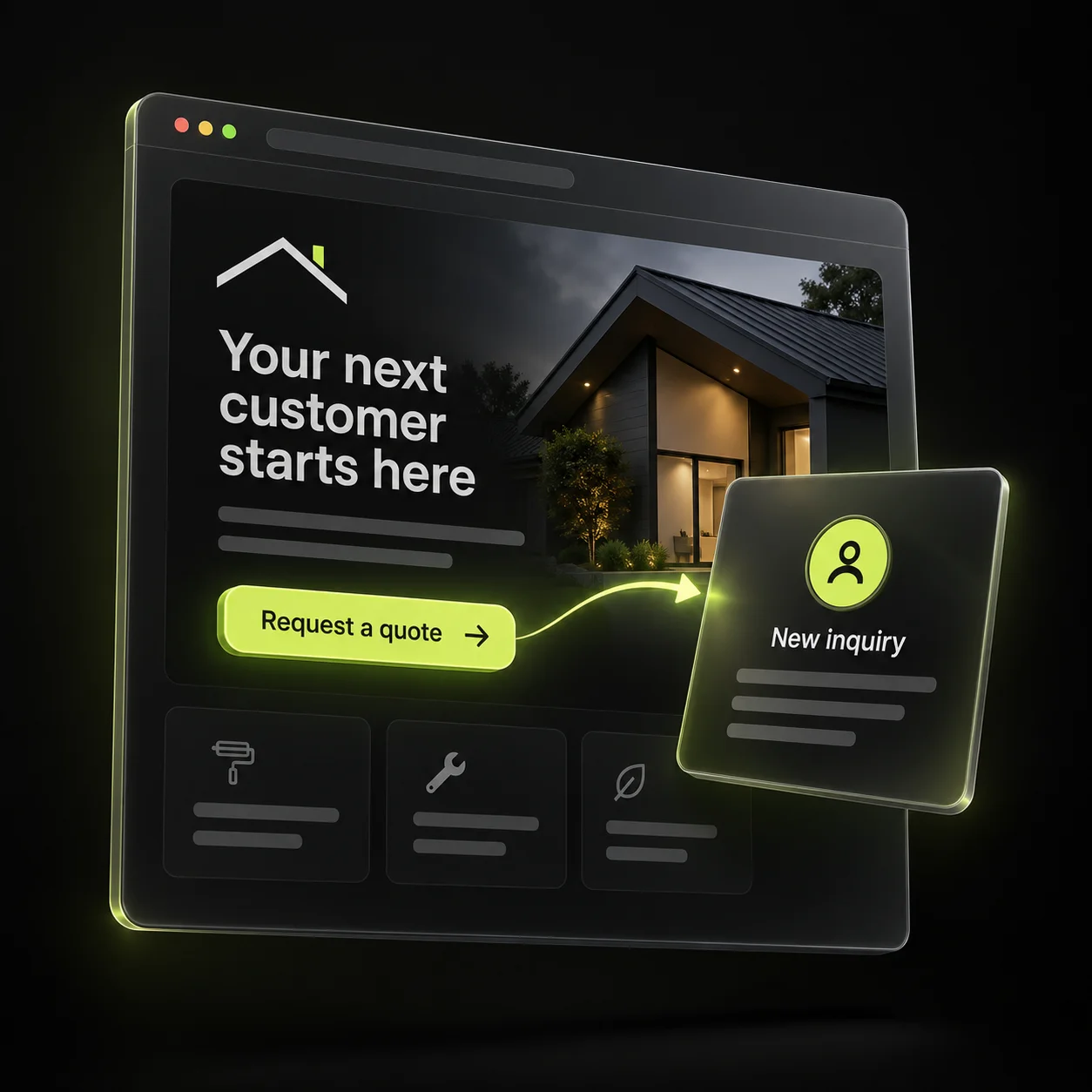
A drain service page should explain the problems you handle, the areas you cover, what happens during the first visit, and how a homeowner requests an appointment. Use your own job photos with permission. Explain any diagnostic or dispatch fee before the customer commits, using your actual policy.
For a local customer page, a phrase such as “drain cleaning in [city]” matches a specific service and place. That is different from this article’s topic, “plumber marketing ideas,” which is written for business owners. Keep customer service pages and business advice separate so each answers the right reader.
Put a tap-to-call link and a short request form near the top. Ask for a name, contact method, service ZIP code, and a brief description. Test the form from a real phone and confirm that the office receives it. Do not require a homeowner to create an account just to ask about availability.
3. Make your local information consistent
Check that your website and Google Business Profile show accurate hours, contact details, and the services you actually provide. Google describes relevance, distance, and prominence as factors in local results. A complete profile helps explain your business, but it does not guarantee a position in Maps.
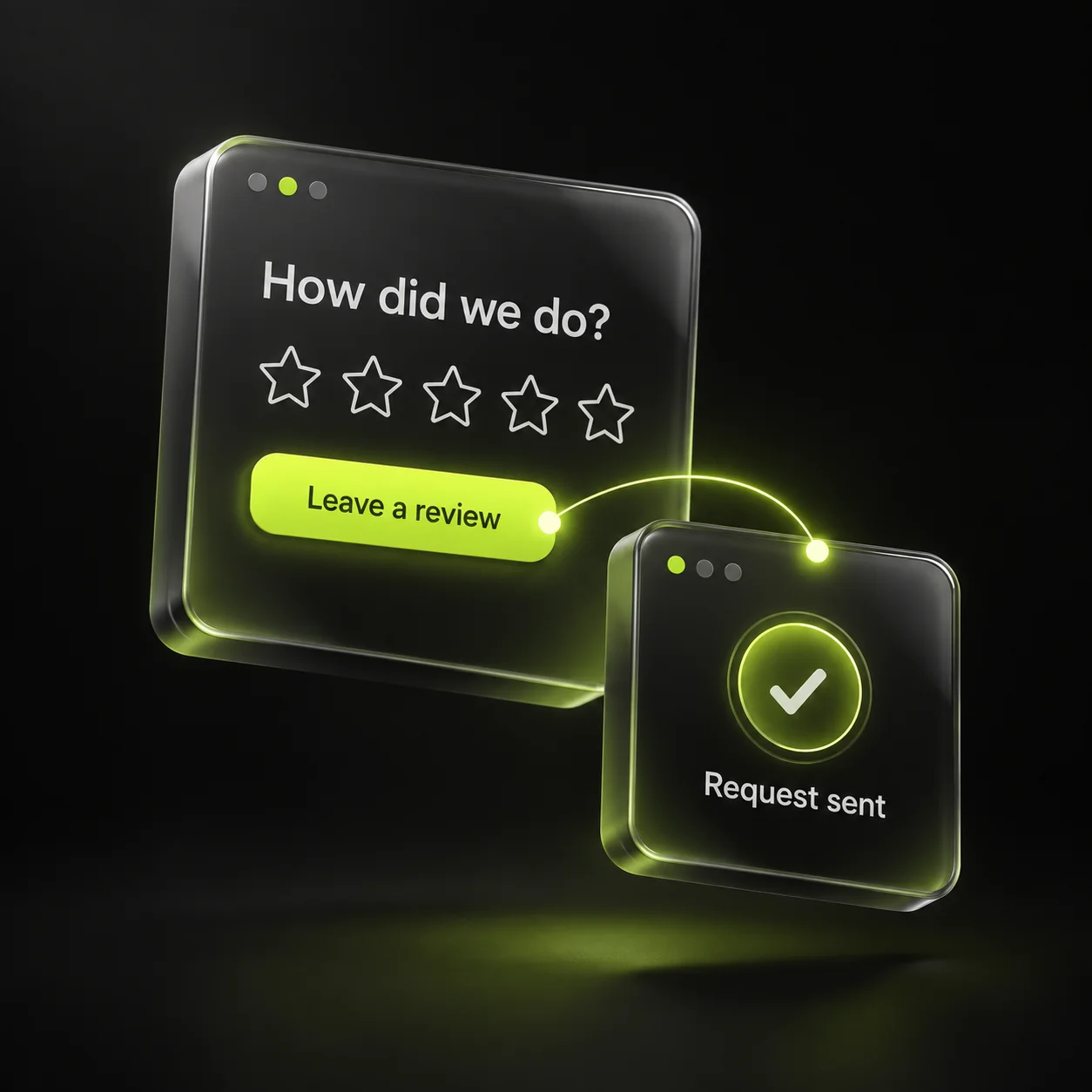
Ask customers for honest feedback after completed work through a consistent process. Do not offer a reward or send only satisfied customers to Google. Use the same short request and review link for everyone eligible under your process. Reply professionally without exposing customer addresses or job details.
4. Give missed calls a useful next step
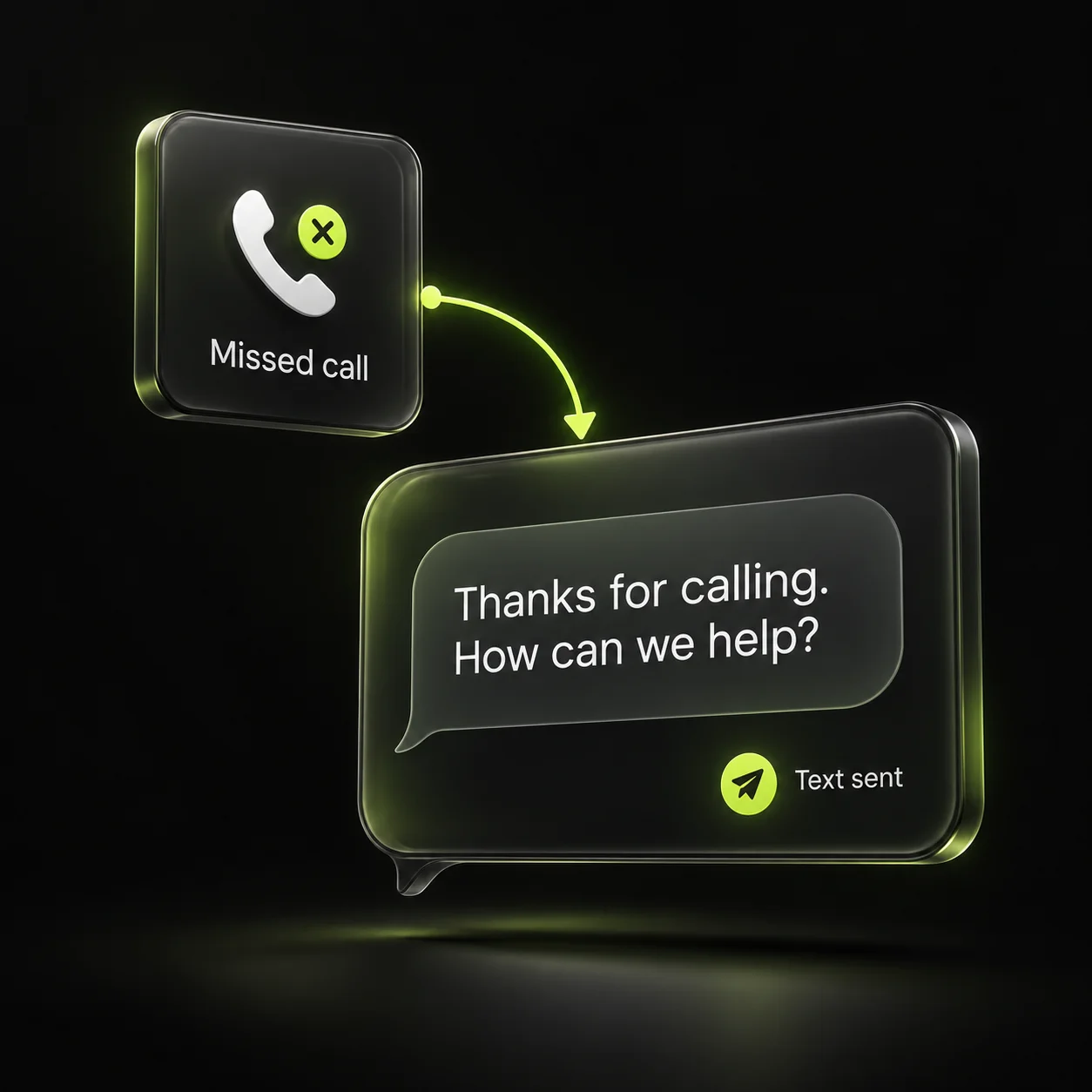
A missed-call response should identify your company, acknowledge the request, and explain what happens next. It should never imply that a technician is already on the way. Keep promotional campaigns separate from service conversations, use a permission-based messaging setup, and honor requests to stop.
Assign a callback task to a named team member. Suppress duplicate automated replies, pause the sequence when a person responds, and route after-hours requests according to your actual coverage. An automated acknowledgment is useful only if someone takes responsibility for the conversation.
5. Use a short intake script
Give your office a repeatable way to collect the facts without turning the call into an interrogation. Ask what the customer needs, where the job is, and how to contact them if the call drops. Then explain the next step and offer availability that exists in your calendar.
At the end, repeat the appointment window and any relevant visit fee. Mark the inquiry as booked only when the appointment is confirmed. A text reply, a submitted form, and a confirmed booking are three different events.
6. Review a simple weekly scorecard
Track unique inquiries, contacted prospects, confirmed appointments, completed jobs, and the reasons people did not book. Remove duplicate calls from the same person about the same job. Record the source when you know it, and leave it unknown when you do not.
For example, 12 confirmed appointments from 30 relevant inquiries is a 40% inquiry-to-booking rate. This is an illustration, not an industry benchmark. Compare your own weeks before deciding whether the next improvement should be more traffic, faster replies, or clearer service information.
This week, test your form, call your business after hours, and review ten recent unbooked inquiries. Fix the most common point of confusion first. A small repair to the response process is easier to evaluate than changing every marketing channel at once.
Sources & further reading
The workflows and templates are DYZIGN LABS suggestions. These primary sources support the platform and maintenance guidance referenced above.