The useful bit
Help the customer compare the actual scope, then follow the decision timeline you agreed together.
HVAC replacement estimate follow-up should help a homeowner understand the proposal in front of them. Repeating the total price or asking for a decision every day does little to answer questions about what the work includes.
Use this process after an assessment and a written estimate. Keep technical recommendations with the qualified person who prepared the scope, and use follow-up to make the decision process easier to navigate.
1. Deliver a proposal with a plain-language summary
Identify the property and project, explain the work included, and point out any decisions the customer needs to make. If you provide multiple options, describe the actual differences instead of labeling one “best” without context. Your estimator should verify that the summary matches the proposal.
Make exclusions, scheduling assumptions, and any real validity date easy to find. Avoid introducing a savings claim, rebate, or financing term in a follow-up unless it is accurate and documented for that specific offer. The message should clarify the estimate rather than add new promises.
2. Ask about the decision process
Find out whether the customer is comparing options, coordinating with another decision-maker, or planning work for a later date. Record what they tell you rather than assigning a generic urgency score. A replacement being planned for next season needs a different next step from an active project.
Agree on when a follow-up would be useful. If the customer has not chosen a date, offer a reasonable check-in and let them change it. Respecting that timing makes the conversation more useful and keeps your office from chasing a decision that is not ready.
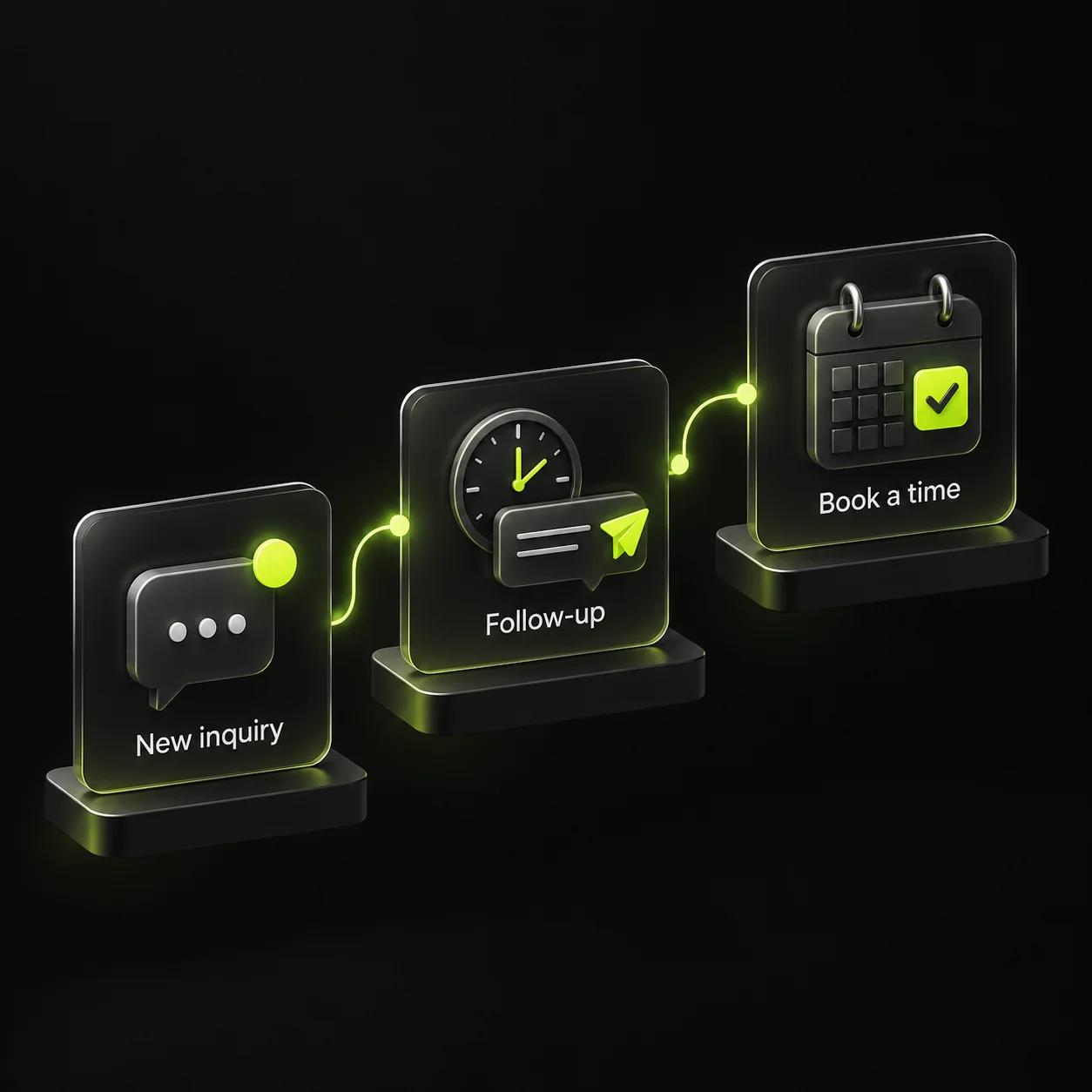
3. Follow up with a specific question
Ask whether the scope, scheduling, or option differences are clear. Keep the message short enough for the customer to answer without a lengthy call. If a question changes the work, route it to the estimator and issue a revised proposal when appropriate.
Label the revised version so the customer does not compare an old total with a new scope. Pause generic reminders while someone is actively answering questions. The office should be able to see the latest proposal and the next promised action in one place.
4. Record the outcome instead of extending the sequence
When someone accepts, stop estimate reminders and begin the confirmed scheduling process. When they postpone, record the reason and an agreed future contact if they want one. When they decline, close the estimate without treating it as a failure that requires another message.
For a silent contact, use a courteous final check-in and then pause. Avoid artificial deadlines or statements that imply equipment failure without an assessment. The customer should be able to reopen the discussion later with current scope and availability.
5. Improve the proposal using repeated questions
Keep a brief list of the questions that slow decisions. If the same exclusion or scheduling point causes confusion, make it clearer in the original proposal. Share that feedback with the estimator rather than asking the office to explain the same ambiguity repeatedly.
Use general, anonymized questions to improve your replacement service page. Google’s helpful-content guidance is a useful editorial reference: answer the reader’s actual question and add original value. Measure estimates sent, accepted, declined, and still pending separately so your review does not mistake an open decision for a lost job.
Sources & further reading
The workflows and templates are DYZIGN LABS suggestions. These primary sources support the platform and maintenance guidance referenced above.